At Orchard Ford, we know what it takes to keep your truck or SUV running strong through every upstate New York season. Whether you are commuting into Albany via the busy I-90 and I-87 interchange or hauling the family down Columbia Turnpike for weekend errands, driving in our region demands a lot from your vehicle. From heavy winter snows that put your AWD system to the test to the daily stop-and-go traffic stretching from Troy to Latham, your Ford requires the right care to maintain its legendary reliability.
That is exactly why we put together this practical maintenance guide. Drawing on years of hands-on experience servicing vehicles across East Greenbush and Rensselaer, we have taken the standard factory service schedule and viewed it through a local lens. Our goal is simple: to help you understand precisely what your vehicle needs and when it needs it, ensuring you are always ready to tackle local roads with absolute confidence.
Why Should You Follow a Maintenance Schedule for Your Ford?
Following the manufacturer's designated service intervals is the most effective strategy to protect your investment and keep your Ford running at peak capability. What this means for East Greenbush drivers is that your vehicle stays fully prepared for our demanding, four-season climate. The local environment puts a heavy burden on crucial components-from the freezing winter temperatures that stress your battery on cold morning commutes into Albany, to the dense spring pollen near Sherwood Park that can quickly choke a Motorcraft® cabin air filter. For example, scheduling a standard oil and filter change every 5,000 to 7,500 miles doesn't just keep the 2.3L EcoBoost® engine in a Ford Explorer running smoothly; it actively clears out harmful contaminants that build up during daily stop-and-go traffic on Columbia Turnpike.
Sticking to a disciplined routine directly impacts your truck or SUV's long-term fuel economy, handling, and overall safety. If you regularly haul the family to the Capital District YMCA or merge daily at the busy Interstate 90 interchange, driving on under-inflated tires or ignoring a worn serpentine belt forces the powertrain to work harder, burning more gas and risking unexpected wear. A well-maintained vehicle operates exactly as its engineers intended, preserving that legendary Built Ford Tough reliability. Taking care of the small things gives you absolute confidence behind the wheel. For independent insights on calculating ownership costs and long-term vehicle care, trusted automotive guides like Edmunds offer excellent supplemental reading.
How Does Ford's Service Reminder System Work?
Ford's service reminder system alerts you when maintenance is due by tracking either your exact mileage or the specific ways you operate the vehicle. Depending on the model and trim year, this setup typically takes one of two forms. It might use a straightforward time-and-distance counter, or it could rely on a usage-aware calculation that factors in engine running hours, idling periods, and operating temperatures. For example, logging 5,000 miles in a gas-powered Ford Explorer during steady cruising down Interstate 90 degrades engine oil at a distinctly different rate than 5,000 miles of heavy stop-and-go commuting along the busy Columbia Turnpike. That means a usage-aware setup can actually shift your service timeline based on the realities of your daily drive.
When it is time to schedule a shop visit, your dashboard will display a visual cue. You might see a glowing wrench icon, a written maintenance message on the digital instrument cluster, or a declining oil-life percentage screen. For drivers moving between East Greenbush, Troy, Latham, Albany, and Rensselaer, paying attention to these alerts is critical. Frequent short trips where the engine never fully warms up, towing heavy loads through the Route 4 corridor, and dealing with extreme upstate temperature swings all accelerate fluid wear. Since exact dashboard behaviors vary across the lineup-a Bronco Sport SUV might present alerts slightly differently than an F-150 truck-always keep your owner's manual handy to decode exactly what your specific vehicle requires next.
What Does the Primary Service Reminder Mean?
Once you know how your Ford vehicle monitors its health, the next logical step is figuring out what that initial dashboard alert actually wants you to do. Simply put, a primary service reminder acts as a high-level tap on the shoulder letting you know that scheduled maintenance is approaching. What this means for drivers around East Greenbush is that you have a helpful buffer to arrange a garage visit before racking up heavy miles commuting down Route 4 or heading into Albany via I‑90. Because Ford builds a wide variety of vehicles-from a heavy-duty gas-powered F-250SD truck to a fully electric Mustang MACH-E sport model-the way these alerts appear can differ significantly. You might see a straightforward text message pop up on your instrument cluster, while a newer vehicle might use its digital dash to display a dedicated maintenance menu. Driving 15,000 miles a year down Columbia Turnpike versus just 5,000 drastically changes your wear-and-tear timeline, so referencing your owner's manual or in-vehicle settings is always the most accurate way to verify exactly what service is due.
Primary reminder: This is your vehicle's general signal to review its scheduled maintenance guidance and get an appointment on the books. Rather than listing every single filter or inspection item on the dash, it simply serves as an early warning that your Ford is due for professional attention.
Additional details (if shown): Many modern Ford vehicles go a step further by displaying supplementary information alongside the initial alert. You might notice a descriptive message, a specific percentage of fluid life remaining, or a wrench symbol on your information display. When your vehicle provides these extra clues, you can use them in tandem with your owner's manual to pinpoint exactly which services are required next.
What Do Additional Service Indicators Mean?
On many newer Ford models, like the Explorer or F-150, the digital instrument cluster doesn't just tell you a general service is due-it might also display specific text messages or symbols hinting at exactly what needs attention. These extra indicators help you narrow down the required maintenance, though the exact alerts depend heavily on your vehicle's model year and display system. For drivers commuting down Route 4 or dealing with stop-and-go traffic at the I-90 interchange, paying attention to these details means catching routine needs before they turn into costly downtime. Always check your owner's manual for a precise breakdown of what your dashboard is telling you. Here are a few common systems these indicators might point toward:
- Tire rotation: Rotating your tires every 5,000 to 7,500 miles is critical for extending tread life. If you're constantly accelerating and braking along Columbia Turnpike, the front tires on your Ford SUV bear the brunt of the road friction. Swapping their positions keeps your handling stable and predictable.
- Engine and cabin air filters: Your engine requires clean air to burn fuel efficiently, while the cabin filter blocks dust and allergens from entering your interior vents. Spring pollen around Sherwood Park or debris from local construction sites can quickly clog these materials. For instance, replacing a restricted engine air filter on time can instantly restore lost acceleration and protect sensitive intake sensors.
- Transmission fluid: Keeping your vehicle shifting smoothly requires fluid that hasn't been degraded by extreme temperatures. Towing heavy loads to the Hudson River waterfront or sitting in daily Albany commuter traffic builds up excess heat, which puts added stress on transmission components over time.
- Spark plugs and valve clearance check (when applicable): Usually flagged closer to the 100,000-mile mark on modern vehicles, fresh spark plugs ensure your engine fires with maximum efficiency. Skipping this on a hard-working engine like the 3.5L EcoBoost® can lead to sluggish performance and rough idling when you need reliable power the most.
- Engine coolant: This specialized fluid keeps your engine from boiling over in the summer heat and freezing solid during brutal upstate New York winters. If your vehicle prompts a cooling system check, it often indicates that the protective, anti-corrosion additives in the fluid are reaching the end of their lifespan.
- Rear differential fluid (AWD/4WD, if equipped): Ford's 4WD and AWD configurations rely on clean gear oil to transfer power effectively to the rear wheels. Pushing through deep, unplowed snow around Couse Corners places intense pressure on these gears, making fresh fluid essential for long-term drivetrain durability.
- Brake fluid: Brake fluid naturally absorbs moisture from the air as it ages, which dramatically lowers its boiling point and makes your brake pedal feel soft or spongy. Flushing this fluid when your maintenance schedule recommends it ensures you maintain confident stopping power when approaching slick winter intersections in Rensselaer.
What is a Typical Ford Service Schedule for East Greenbush Drivers?
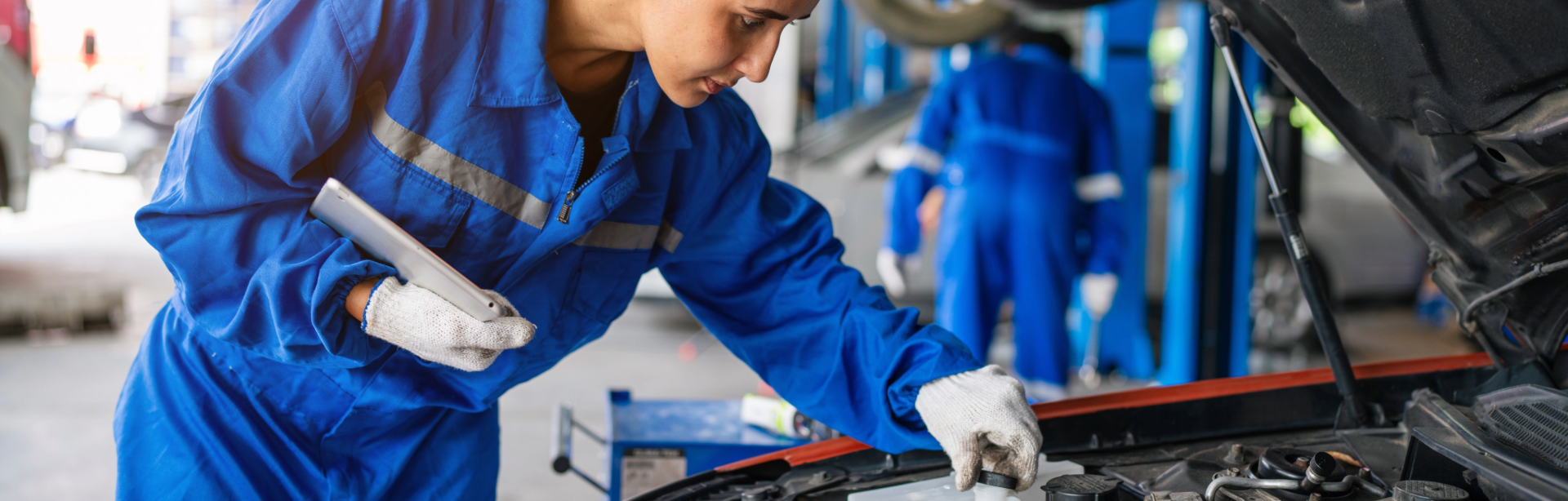
Modern Ford vehicles are built tough, but keeping them running smoothly means staying ahead of the curve. Even if your dashboard displays alerts when a checkup is due, having a general mileage roadmap helps you anticipate what is coming next. What this means for East Greenbush drivers is fewer surprises and easier budgeting for vehicle upkeep. The timeline outlined below serves as a helpful planning tool to complement your official owner's manual-which always remains your primary source of truth for exact maintenance intervals. We framed this overview to account for the heavy realities of local driving, like battling stop-and-go traffic on Columbia Turnpike (US 9/US 20) or pushing your engine through the freezing temperature swings of a typical upstate winter. Knowing, for instance, that major component checks generally hit around the 30,000-mile mark rather than 10,000 miles completely changes how you prepare for a busy season. Ultimately, whether you rely on a Ford Escape for quick neighborhood errands or commute daily into Albany via the Interstate 90 interchange, planning your maintenance milestones ensures your vehicle stays ready for whatever the road throws at it.
What Services Are Needed in the First 30,000 Miles?
During the first 30,000 miles on the odometer, your primary focus is building a strong foundation of routine care-which typically means staying on top of oil changes, tire rotations, and air filter replacements. What this means for drivers around East Greenbush is establishing a dependable rhythm early on to ensure your vehicle is ready for everything from freezing winter mornings to humid summer commutes. Whether you drive a gas-powered Ford Explorer for family runs or a hard-working gas-powered Ford F-150, the exact timing of these visits relies entirely on your specific model and daily driving habits.
Oil service and tire rotations: For many newer models, modern engineering allows for oil change intervals that often stretch between 7,500 and 10,000 miles under normal, light highway usage. However, if your daily routine involves heavy stop-and-go traffic along the Route 4 corridor or constant short trips running errands down Columbia Turnpike, you will likely need fresh oil much sooner. Because brief drives prevent the engine from reaching optimal operating temperatures, engine oil degrades faster. We generally suggest pairing your tire rotations with these oil changes to maintain even tread wear. That simple habit ensures your tires retain maximum grip during those notorious upstate New York snow emergencies.
Engine and cabin air filters: Keeping your engine breathing efficiently and your cabin free of allergens is another key milestone before you hit the 30k mark. Spring pollen across Rensselaer County and dust kicked up near developments around Greenbush Technology Park can load up these filters faster than you might expect. Most Ford owners find themselves swapping out one or both filters somewhere in the 15,000- to 30,000-mile window. If you commute through heavy seasonal debris or park outdoors in wooded neighborhoods like Prospect Heights, regularly checking that cabin filter is essential. A clogged cabin filter actually forces your HVAC system to work much harder just to clear a foggy windshield on a cold morning-a quick, inexpensive swap easily solves the issue and restores airflow.
What Maintenance Should Be Done Between 30,000 and 60,000 Miles?
Reaching the 30,000 to 60,000-mile mark means your Ford is moving past basic oil changes and into long-term system protection. For drivers around East Greenbush, this phase typically involves replacing vital transmission and brake fluids, plus conducting deeper inspections of wear-and-tear components like tires and brake pads. Because exact intervals vary based on your specific model, powertrain, and daily usage, always defer to your owner's manual and any in-vehicle maintenance information to confirm what applies.
Transmission fluid: Keeping a Ford transmission shifting smoothly requires clean fluid, which is often recommended for replacement somewhere in this mileage window. If you commute through heavy stop-and-go traffic on Interstate 90 or frequently haul heavy loads down Columbia Turnpike, your transmission works harder and generates more heat, breaking down the fluid faster. For instance, swapping out degraded fluid in a Ford F-150's 10-speed automatic transmission helps maintain optimal clutch pressure and prevents premature wear inside one of the truck's most complex systems.
Brake fluid, brakes, and tires: Brake fluid naturally absorbs moisture over time, which can lower its boiling point and reduce your stopping power. Because of this, flushing the system is typically done on a time-based schedule-often every few years-rather than relying solely on the odometer. Alongside fluid checks, monitoring your brake pads and tire tread becomes critical as the miles add up. Whether you are navigating slushy winter snow emergencies along Route 4 or taking the winding curves on NY 9J, adequate tread depth and responsive rotors are non-negotiable for safety. If you want to see how staying on top of these routine checks impacts long-term dependability across different models, it can be helpful to reference the reliability ratings at Consumer Reports.
What Major Services are Required Approaching 100,000 Miles?
Reaching the 100,000-mile mark often means your Ford has powered through years of snowy winters and daily commutes along the Route 4 corridor. For East Greenbush drivers, staying ahead of these bigger milestone services matters because it ensures your vehicle remains reliable when temperatures drop or you face stop-and-go traffic heading into Albany. The exact requirements depend entirely on your specific model and engine configuration, so your owner's manual is always the ultimate guide. That said, spark plug replacement is commonly recommended around this stage. Because the plug's electrode naturally wears down over thousands of ignition cycles, swapping in fresh spark plugs restores optimal combustion. This translates to improved fuel efficiency and much smoother engine starts on freezing New York mornings.
You will also want to look into timing belt and coolant service at this mileage. It is worth noting that not every engine needs a timing belt replacement; many modern Ford vehicles utilize a heavy-duty metal timing chain that doesn't follow a routine replacement schedule. However, if your specific engine design uses a rubber timing belt, changing it at the recommended interval is absolutely critical to avoid sudden, catastrophic engine damage. Alongside this, a comprehensive coolant flush is highly beneficial. Draining the degraded fluid and adding fresh antifreeze protects your radiator and engine block from internal corrosion, while preventing overheating during those humid summer drives down Columbia Turnpike.
Staying proactive with these larger services does more than just keep your truck or SUV running beautifully-it protects your financial investment. A Ford with a documented history of major milestone maintenance will retain significantly more equity when it is time to upgrade. To see exactly how a well-kept service record impacts your vehicle's trade-in potential, you can reference Kelley Blue Book for dependable insights on long-term valuation.
Why is Local Expertise Important for Servicing Your Ford?
A service center that actually drives the same roads you do understands that keeping a truck or SUV running in Upstate New York requires more than a generic maintenance checklist. What this means for East Greenbush drivers is that we look for the specific wear patterns caused by our distinct seasons and local traffic routines. For example, during a snowy winter commute along the Route 4 corridor or Interstate 90 into Albany, the Intelligent 4WD system on a Ford Explorer is working continuously to maintain traction. Because we know how the heavy road salt used during those local snow emergencies accelerates undercarriage wear, we prioritize inspecting steel brake lines, suspension joints, and steering linkages that generic shops might gloss over. Even in the warmer months, stop-and-go traffic near the Rensselaer County Plaza combined with high summer humidity puts extra strain on engine coolant systems and A/C compressors.
Our technicians know exactly how these environmental shifts impact your daily drive. Checking a Ford Escape's cabin air filter every 15,000 miles is the standard factory recommendation, but if you regularly park under the trees in the Prospect Heights neighborhood during peak spring pollen, swapping it out closer to 10,000 miles keeps your interior air fresh and prevents the blower motor from overworking. Pairing this on-the-ground knowledge with trusted national data provides the ultimate protection for your investment. You can always consult the National Highway Traffic Safety Administration (NHTSA) for verified safety information and updates, or log into the official Ford Owners site to review the exact powertrain specs and maintenance schedules for your specific model and trim.
Frequently Asked Questions (FAQs)
How does Orchard Ford keep customers updated during service appointments?
Orchard Ford's factory-trained specialists follow a transparent process to provide authoritative guidance while your vehicle is in our care. Whether you need routine care for a 2026 Ford Escape Gas model or a major inspection, our team ensures you receive consistent communication. That means commuters facing stop-and-go traffic on the Route 4 corridor always know exactly when their SUV will be ready.
How can I ensure timely communication from service advisors?
By relying on Orchard Ford's transparent process, our service specialists manage all communications proactively alongside you. We provide expert vehicle maintenance insights tailored to your driving lifestyle, so you stay fully informed at every step. Our dealership handles the tracking and updates directly, eliminating the need for you to chase down information regarding your factory-authorized service.
What are the expected wait times for service appointments?
Our team utilizes decades of hands-on industry expertise to complete your factory-authorized service efficiently. Because Orchard Ford maintains a transparent process, our specialists provide a clear timeline tailored to the specific maintenance your vehicle requires. This helps drivers relying on Interstate 90 for trips into Albany plan their day without guesswork.
How does Orchard Ford manage service timelines and ensure prompt maintenance?
Orchard Ford leverages extensive hands-on industry expertise to deliver factory-authorized service as smoothly as possible, including maintenance on heavy-duty vehicles like the 2026 Ford Super Duty Gas. Our specialists continuously refine their technical mastery to proactively adjust workflows and keep your maintenance on track. We review all timelines directly with you to maintain our proven track record of dependability.
Which communities does Orchard Ford primarily serve with specialized commercial truck solutions?
Orchard Ford takes pride in being the premier automotive authority for drivers throughout Highland, Poughkeepsie, and the entire Hudson Valley region. Our team is dedicated to providing specialized commercial truck solutions and new Ford vehicles across this entire area. We ensure every customer receives authoritative guidance matched perfectly to their specific lifestyle.
What recognition has Orchard Ford earned for customer satisfaction?
Recognized for a commitment to excellence, Orchard Ford has earned prestigious dealership honors for customer satisfaction. Beyond offering certified pre-owned Ford vehicles, we serve as an active, proud supporter of local Hudson Valley community initiatives. Orchard Ford's factory-trained sales and service specialists continuously refine their technical mastery to maintain this high standard.

About Orchard Ford
At Orchard Ford, we take pride in being the premier automotive authority and trusted Ford dealership for drivers throughout Highland, Poughkeepsie, and the entire Hudson Valley region. Backed by decades of hands-on industry expertise, our team delivers unmatched knowledge across new and certified pre-owned Ford vehicles, factory-authorized service, and specialized commercial truck solutions. Recognized for our commitment to excellence, we have earned prestigious dealership honors for customer satisfaction while serving as an active, proud supporter of local Hudson Valley community initiatives. Our factory-trained sales and service specialists continuously refine their technical mastery to ensure every customer receives authoritative guidance tailored to their driving and lifestyle needs. Whether you are seeking expert vehicle maintenance insights or looking to upgrade your commute, you can depend on our proven track record, transparent process, and passion for the Ford brand.Related Articles:
Your Comprehensive Resource for Locating a Ford Dealer in East Greenbush, NY